

Cold-weather bike control
What Are the Best Winter Cycling Gloves?
Four current models for wet commutes, dry cold, harder efforts, and lighter rides—with price, stock, and the drawback you should know first.
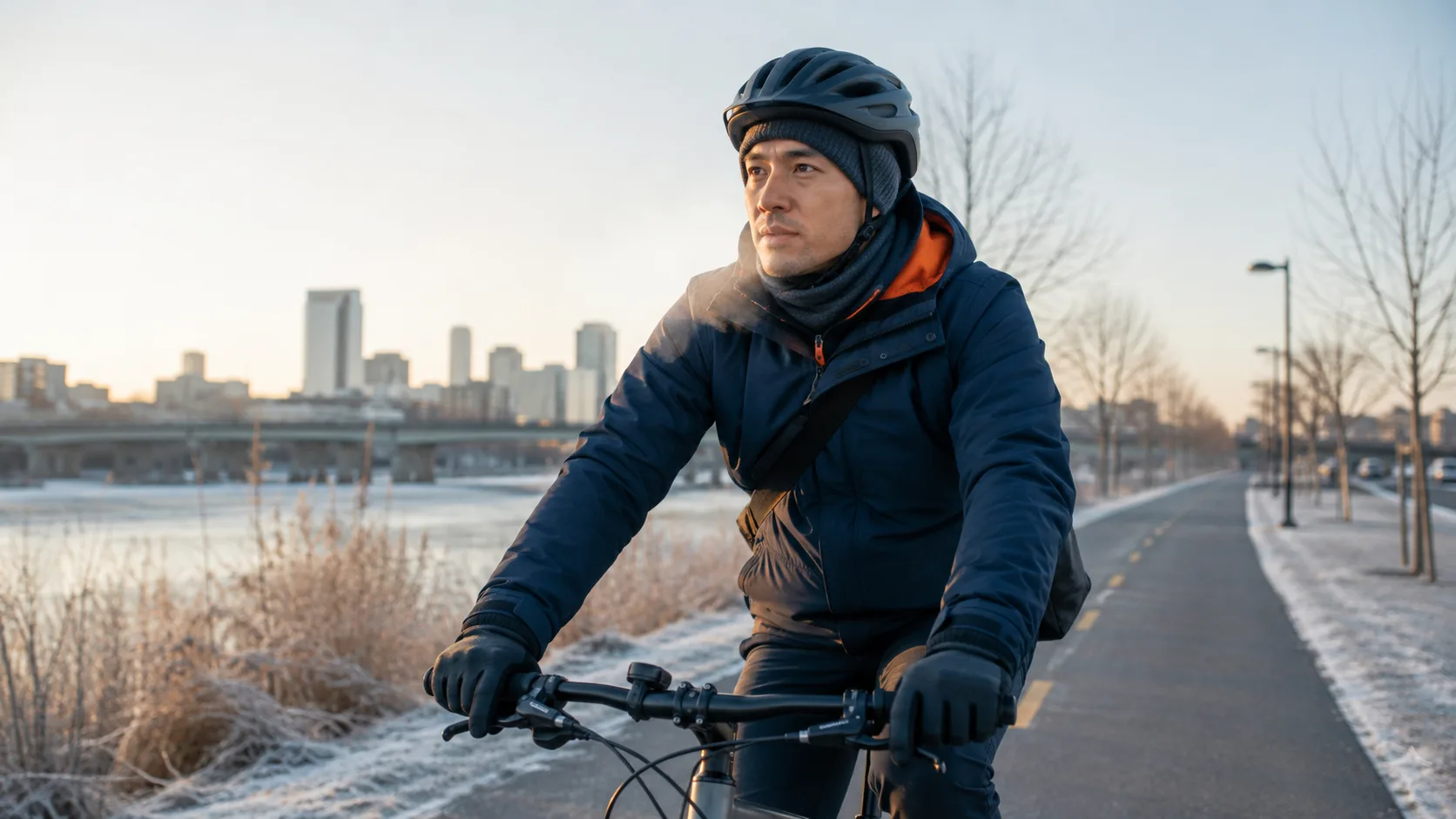
Price, rating, and availability check: September 7, 2026. These details change, so confirm currency, size, shipping date, and final price before ordering. Brand-site reviews, retailer ratings, and independent tests are labeled separately.
Editorial disclosure: CozyGalar’s Amazon link is brand-owned and commercial. GripGrab, Sealskinz, Sportful, REI, and editorial-source links are unpaid third-party links; CozyGalar earns no commission from them. We did not personally test these products for this article. Independent observations are attributed to the publication that made them. Original AI-assisted images are illustrative, not exact third-party product photographs or product-test evidence.
Which winter cycling gloves should you buy?
Buy for precipitation, effort, exposure time, and control—not for the broadest temperature claim. A ten-minute bus-and-bike trip, a fast training loop, and a slow hour in freezing rain are different hand problems.
| Best for | Exact product | Live buying evidence | Material drawback |
|---|---|---|---|
| Cold, wet rides when protection comes first | GripGrab Polaris 2 Waterproof Winter Gloves | €110 on the checked page; XS–XXL variants displayed in stock. GripGrab showed 7 brand-site customer reviews without an aggregate score; CyclingNews independently chose it as a heavy-duty waterproof pick. | US shoppers must confirm checkout currency and shipping. The independent test also found it expensive and slightly bulky. |
| Milder wet rides and higher effort | Sealskinz Bodham Waterproof All Weather Cycle Glove | $79.95; Add to Cart; sizes S–XXL displayed. REI showed 3.8/5 from 4 retailer reviews for the same model, while its own discontinued inventory was sold out. | Sparse, mixed retailer evidence includes a fit/bulk complaint. Measure carefully; this is not presented as a deep-cold guarantee. |
| Dry cold and touchscreen access—when restocked | Sportful Deep Winter Gloves | $95; official page showed “Notify me when it’s available.” No model rating count exposed; Cycling Weekly independently tested it. | Not purchasable on the checked page; the independent review found it not fully waterproof. |
| Mild, dry, high-output rides on a lower budget | PEARL iZUMi Summit Alpha Cycling Gloves | $44.99 sale versus $60; the displayed color and sizes were sold out, with a pre-order control; 0 REI reviews. Cycling Weekly supplied independent exact-model experience. | Not an immediate-delivery or slow deep-cold choice; no retailer review history yet. |
Fast fallbacks: If the Polaris 2 is too expensive, compare the in-stock Bodham and accept that it is aimed at milder conditions. If Sportful remains unavailable, do not treat a brand temperature range as a reason to wait—choose an in-stock model that matches your wet/dry condition. If Summit Alpha’s pre-order timing misses your ride, use a glove you already own that passes the control test or move to the Bodham for wet-weather coverage.
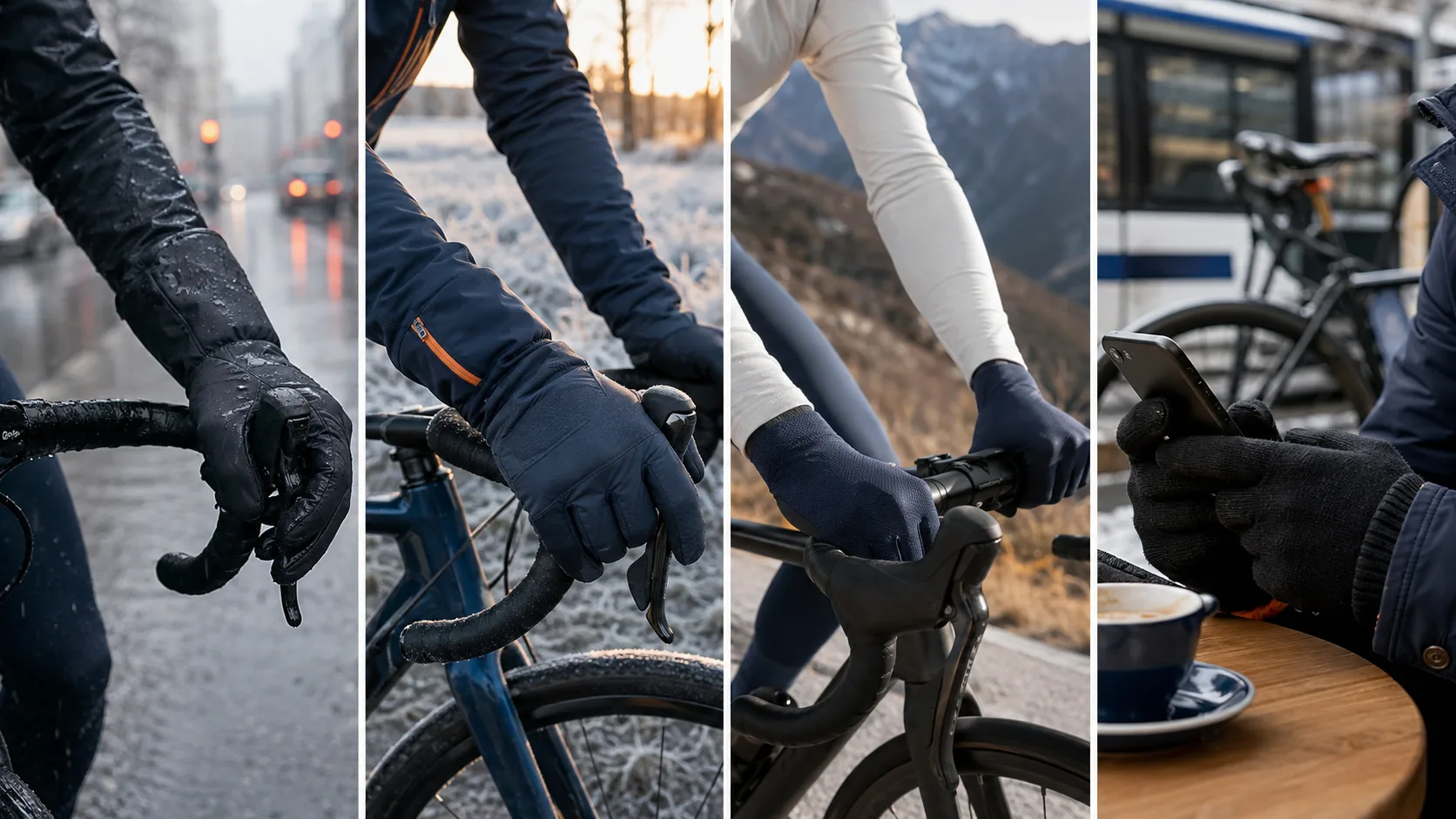
Make the decision in one minute
- Will rain, wet snow, or road spray reach your hands? If yes, begin with a purpose-built waterproof cycling glove and a cuff that overlaps your sleeve. Knit alone is not the right system.
- Will you ride hard enough to sweat? More insulation is not automatically better. Moisture inside the glove can cool you later, especially at stops or on descents.
- How long are you exposed? A glove that works for fifteen moving minutes may fail during a slow hour with traffic lights, mechanical stops, or a headwind.
- Can you brake and shift precisely? Fit and bulk decide whether the claimed warmth is usable. Test the exact bike, not just a phone.
- Is the product available now in your size? A sold-out “best” glove is not a buying decision. Use the fallback column and verify checkout timing.
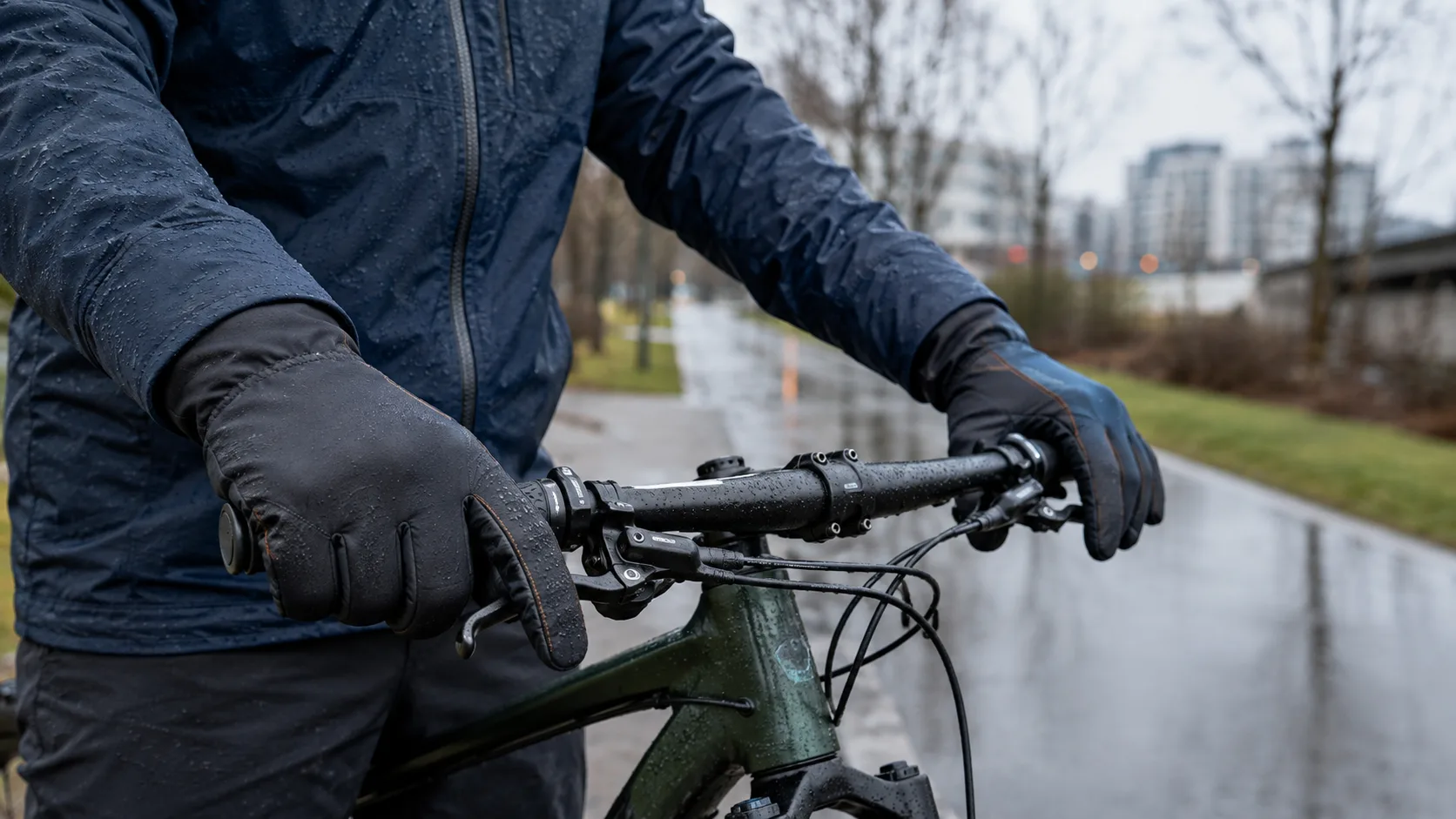
Run this five-minute bike-control test
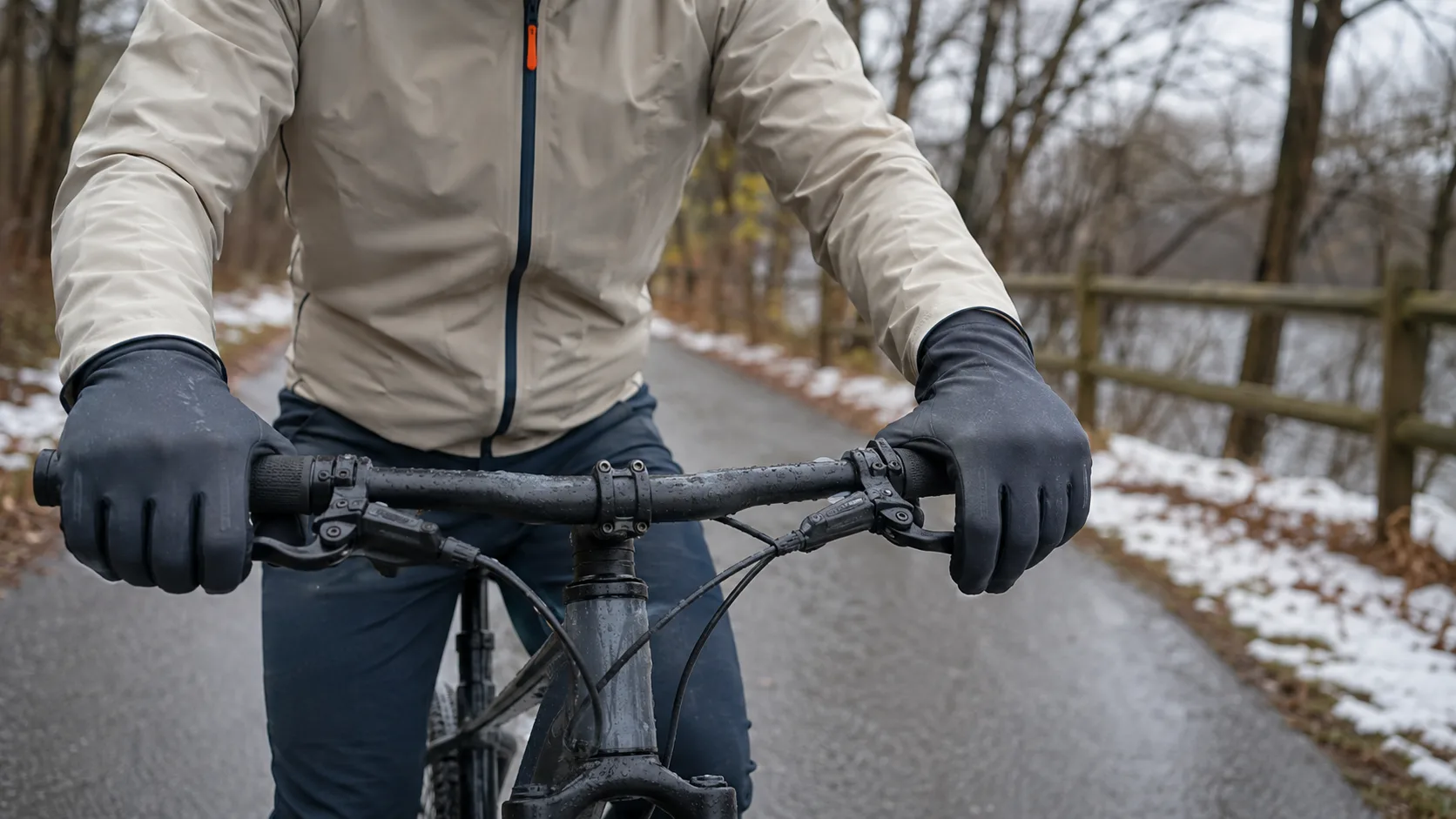
“Good grip” and “touchscreen compatible” are incomplete buying claims. Bar tape, lever shape, shift system, glove fit, rain, and hand temperature all change control. Test indoors first, then outside close to warmth and shelter.
- Squeeze each brake independently ten times. Reach the lever from your normal hood, flat-bar, or drop position without stretching, bunching, or catching fabric.
- Shift through every control. Test paddles, buttons, triggers, and the smallest switch you use. Electronic shifting can reduce force, but it does not eliminate precision.
- Open and close your hand. A tight glove can compress insulation and restrict movement; a loose fingertip can blunt control.
- Hold the wettest surface you expect. Use a damp test cloth on the grip while stationary. Stop if the glove rotates or slips; a textured palm is not a guarantee.
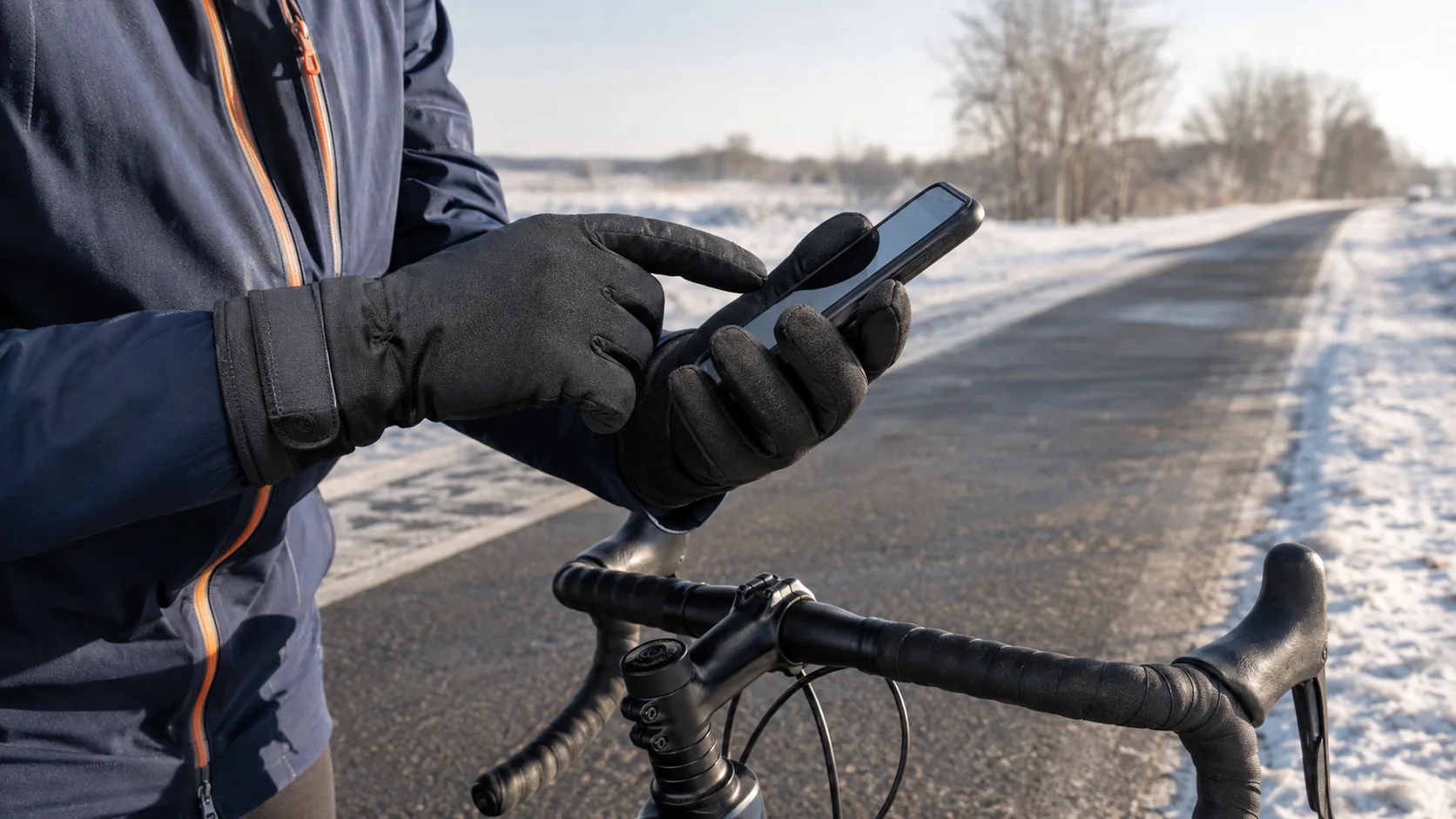
- Operate lights, zipper, lock, and phone. These off-bike tasks often expose the real dexterity limit. Touchscreen performance varies with screen, protector, pressure, fit, and moisture.
Never conduct the first control test in moving traffic. If you cannot reliably brake, shift, steer, signal, and handle your lock, change gloves or shorten/postpone the ride.
Who should—and should not—buy each pick?
GripGrab Polaris 2: for cold, wet exposure
Buy if: rain, sleet, road spray, or wet snow is the central problem and you accept a premium technical glove. GripGrab displayed both black and hi-vis variants across XS–XXL as available at €110; US shoppers should confirm currency, shipping, and duties at checkout. The brand specifies a waterproof three-layer build, PrimaLoft Gold insulation, touchscreen thumb and index finger, and an extended cuff. CyclingNews independently selected this exact model as its heavy-duty waterproof choice.
Skip if: you run warm, need maximum lever feel, mostly ride short dry routes, or need a US-dollar price before choosing. GripGrab showed 7 brand-site customer reviews but no aggregate score, so those reviews are not presented as independent testing.
Drawback: price and bulk. CyclingNews called out the high recommended price and slightly bulky feel. On your bike, that means testing lever reach and small controls before committing.
Sealskinz Bodham: for wet, milder, harder rides
Buy if: you need waterproof coverage but create more heat through effort. Sealskinz listed the Bodham at $79.95 with Add to Cart and sizes S–XXL. The brand specifies its Aquasealz three-layer construction, PU-suede palm, reflective detail, and bonded liner. REI showed a 3.8/5 aggregate from 4 retailer reviews for the same model, although REI’s own discontinued inventory was sold out.
Skip if: you need deep insulation for slow rides, long waits, or unusually cold hands, or if sparse and mixed review evidence is not enough for you. The Sealskinz page did not expose its own model-specific review count.
Drawback: fit evidence is mixed. One REI reviewer called the glove bulky and poorly fitting, while the current Sealskinz chart warns that tight gloves can make hands feel colder. Measure against the current brand chart instead of assuming your usual glove size.
Sportful Deep Winter: a dry-cold candidate, not a current buy
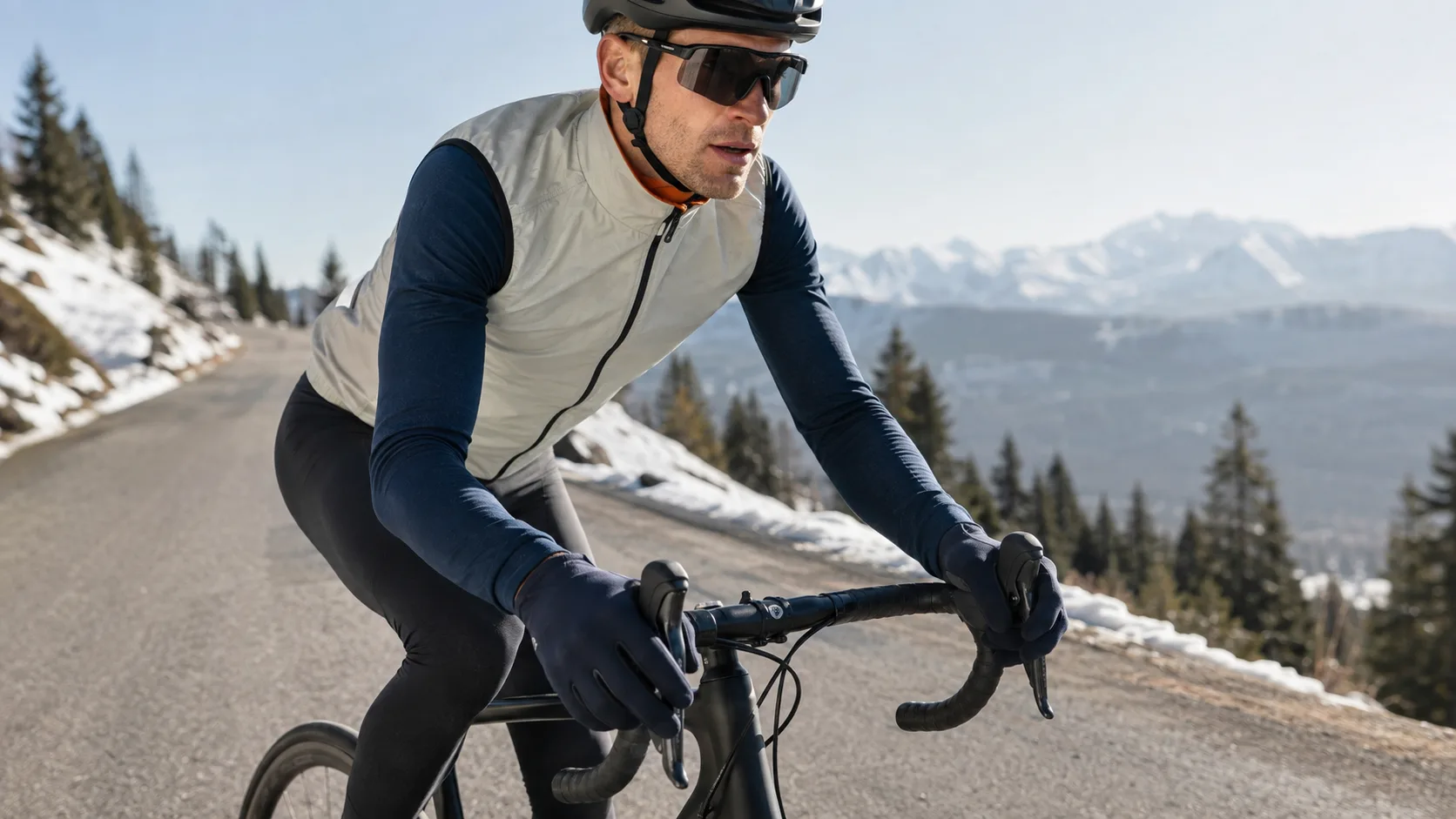
Buy only if restocked: the fit works, your ride is primarily dry and cold, and you value touchscreen access. Sportful listed $95, PrimaLoft insulation, an outer membrane for wind and light rain, touchscreen thumb/index, and a brand temperature range of 23–41°F. Cycling Weekly’s independent test reported useful touchscreen operation and warmth in dry cold.
Skip now: the official US page showed “Notify me when it’s available,” so it fails the immediate-purchase test. Also skip if you need a fully waterproof claim; the independent review did not find it fully waterproof.
Drawback: unavailable on the checked page, and weatherproof is not the same as sealed for sustained rain. Use an in-stock fallback rather than turning a restock hope into a recommendation.
PEARL iZUMi Summit Alpha: for mild, dry, high-output rides
Buy only when a size becomes orderable: your rides are energetic, generally dry, and mild enough that low-bulk insulation makes sense. REI displayed $44.99 versus $60, a Sep 8 sale end, 0 reviews, a sold-out color/size state, and a pre-order control. The listing describes Polartec Alpha insulation, touchscreen compatibility, a water-resistant palm, and DWR—not a waterproof construction. Cycling Weekly’s independent test framed it as a dexterous shoulder-season/high-output glove rather than a slow deep-winter option.
Skip if: you need delivery before the next ride, want established customer-review evidence, or expect sustained rain and slow cold exposure.
Drawback: zero retailer reviews and no confirmed orderable size in the checked state. The lower price does not solve a weather or availability mismatch.
Where CozyGalar fits—and where it does not
CozyGalar is an everyday fleece-lined wool-blend knit glove, not a technical cycling shell. Its verified outer blend is 65% polyester, 20% merino wool, 10% elastane, and 5% conductive fiber. It has conductive fingertips and a textured palm, and the brand page showed $11.99 on the check date.
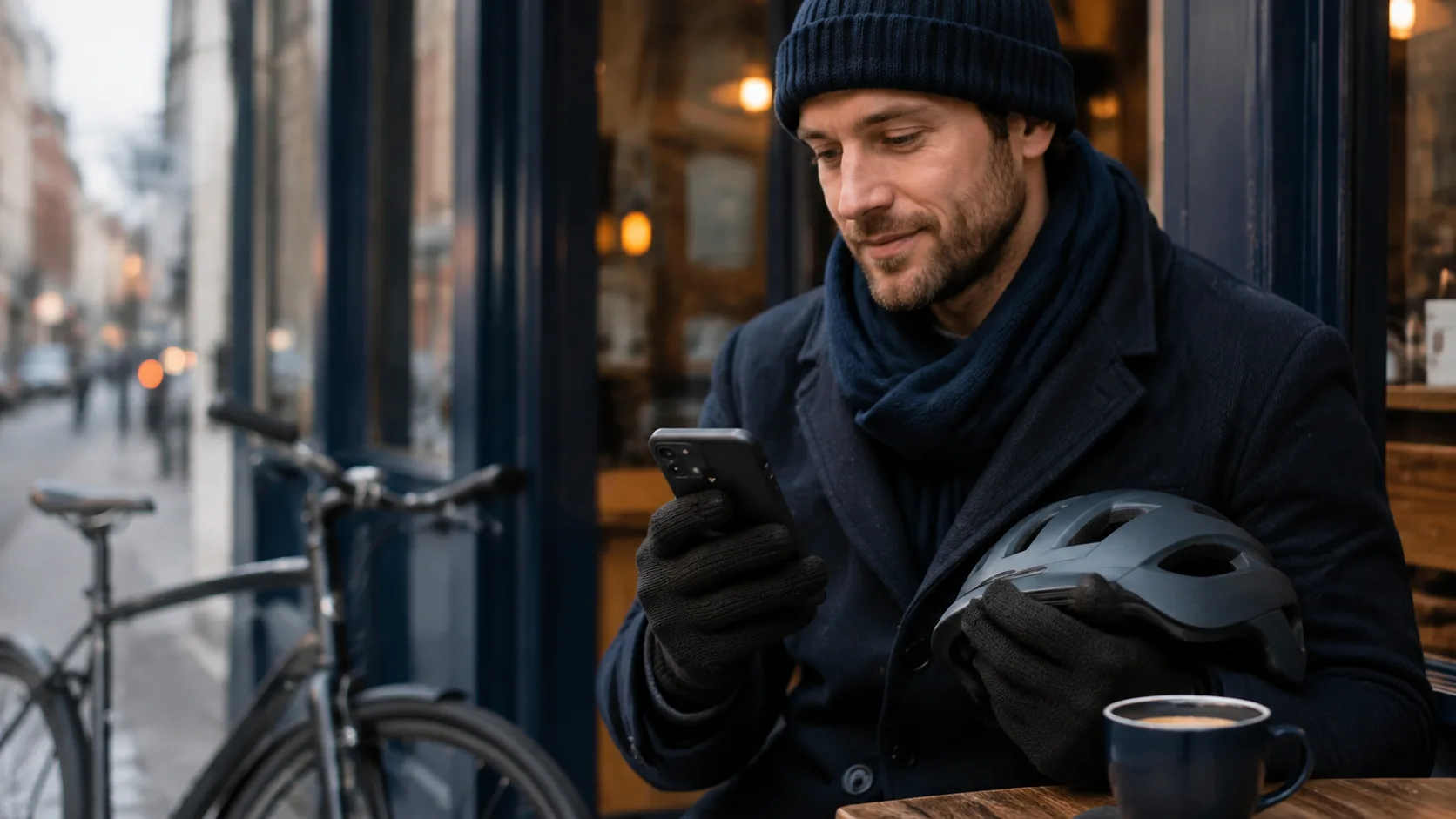
Reasonable role: off-bike errands, a transit platform, café stop, walking the bike, or a very short dry ride near shelter—only if the exact glove and bike pass the brake, shift, grip, and fit test. A textured pattern can support contact, but it cannot guarantee grip.
Wrong role: rain, wet snow, strong wind without a shell, long cold exposure, crash protection, technical mountain biking, or any ride where glove failure creates a serious safety risk. We do not claim CozyGalar is waterproof, windproof, cycling-certified, durable for bar abrasion, or suitable for extreme cold. Touchscreen response is not guaranteed across devices.
For the fit mechanics, use our winter-glove fit guide. For wet weather, read why knit gloves should not be assumed waterproof.
Layering, sweat, and the spare-pair rule
A liner helps only when the outer glove still closes freely and does not compress insulation or circulation. If a liner makes the shell tight, the extra layer can reduce control and warmth. See when glove liners actually help.
For variable rides, pack for the transition you expect:
- Start slightly cool, not sweaty. If hands overheat on the climb, trapped moisture can punish the descent.
- Carry a dry spare. A compact backup is more useful than arguing with a soaked primary glove.
- Protect the cuff junction. Water running from sleeve to glove—or into an upturned cuff—can defeat a waterproof insert.
- Plan the stop. Locks, keys, repairs, and phone navigation lower activity while increasing dexterity demands.
If your hands remain cold in a correctly sized system, work through our cold-hands troubleshooting guide. If your primary activity is running rather than riding, use the separate winter running glove guide; the grip, airflow, and control demands differ.
Frequently asked questions
Are lobster gloves better than five-finger cycling gloves?
Lobster designs group some fingers to reduce exposed surface area while keeping separate zones for controls. They can feel warmer for some riders, but lever and shifter compatibility varies. Test the exact bike and do not assume a two- or three-finger shape can reach every control safely.
How waterproof do winter cycling gloves need to be?
Match the construction to the expected exposure. A DWR or “weatherproof” shell may help with brief spray or light precipitation; it is not the same evidence as a waterproof insert and sealed system. Even a waterproof glove can admit water through the cuff or become uncomfortable over time. Carry a dry spare for consequential rides.
Should winter cycling gloves fit tightly?
They should be secure enough that the fingertips do not fold over controls, but not so tight that seams pull, movement is restricted, or insulation is compressed. Make a fist, reach every lever, and compare your measurements with the current maker’s chart. If between sizes, the correct choice depends on the model and whether a liner is intended.
Can touchscreen gloves operate a bike computer?
Sometimes, but not reliably enough to skip testing. Screen type, protector, conductive area, finger alignment, moisture, fit, and software interface all matter. Configure essential screens before riding and do not make complicated touch inputs in traffic.
Can I use driving gloves for winter cycling?
Only if they meet the cycling conditions and pass the exact bike-control test. A glove suitable for a heated car may lack wind, rain, insulation, cuff, or abrasion characteristics for an exposed ride. Our winter driving glove guide is intentionally a separate decision.
Need an everyday glove for the dry, off-bike part?
CozyGalar is the budget knit option for routine cold-weather stops and brief dry use—not the technical wet-ride picks above. Check the current Amazon size, price, and availability only if those limits match your plan.
Sources and methodology
- GripGrab: Polaris 2 Waterproof Winter Gloves
- Sealskinz USA: Bodham Waterproof All Weather Cycle Glove
- Sportful: Deep Winter Gloves
- REI: PEARL iZUMi Summit Alpha Cycling Gloves
- CyclingNews: Best Winter Cycling Gloves
- Cycling Weekly: Best Winter Cycling Gloves
- BikeRadar: Best Winter Cycling Gloves
- REI: Sealskinz Bodham ratings and product details
- National Weather Service: Understanding Wind Chill
- OSHA: Cold Stress
We rechecked the complete 26-post CozyGalar inventory on September 7, 2026, evaluated nine metric-bearing candidates plus additional seed directions from the Amasty retail-blog framework, used OpenSEO for current US keyword metrics and live SERPs, and read brand, retailer, independent editorial, and official-safety sources. We separated current purchase facts from brand specifications, retailer reviews, and independent experience. No first-hand test or industry consensus is implied.