


Cold-hand troubleshooting
Why Are My Hands Still Cold Inside Winter Gloves?
Hands can stay cold inside winter gloves when fit compresses insulation, dampness builds in the lining, wind passes through the fabric, or the glove does not match the activity and weather. Check fit and dryness first, then add wind protection or switch to mittens when conditions exceed an everyday glove.
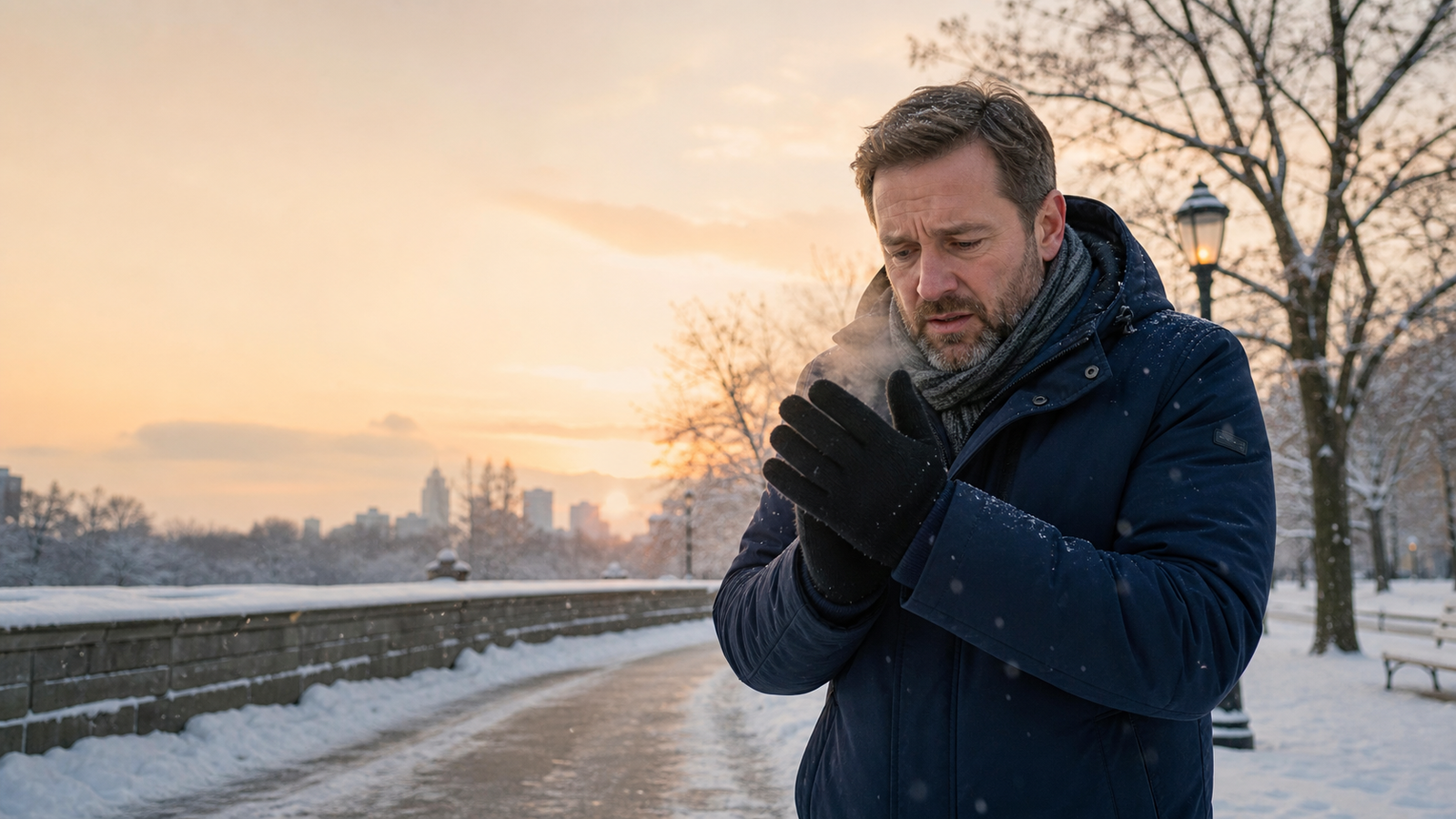
Buying a thicker glove is not always the first fix. A glove does not create much heat by itself; it slows the loss of heat your body produces. That means warmth depends on a small system: your core temperature, blood flow, glove fit, moisture, wind, activity level, and exposure time.
This guide helps you identify the weak link before you spend money on another pair.
Why can gloves feel warm at first and cold later?
If your hands begin comfortable but cool down after 20 or 30 minutes, look for a change during the outing. Sweat may be building inside the lining. Snow or drizzle may be wetting the outside. Wind may become more noticeable once you stop walking. Your overall body may also be cooling as your pace slows.
Moisture matters because evaporation removes heat. OSHA’s cold-weather guidance tells workers to stay dry and notes that moisture can increase heat loss. A glove that suits a short walk can therefore feel very different during a long, damp wait at a bus stop.
Can winter gloves be too tight or too loose?
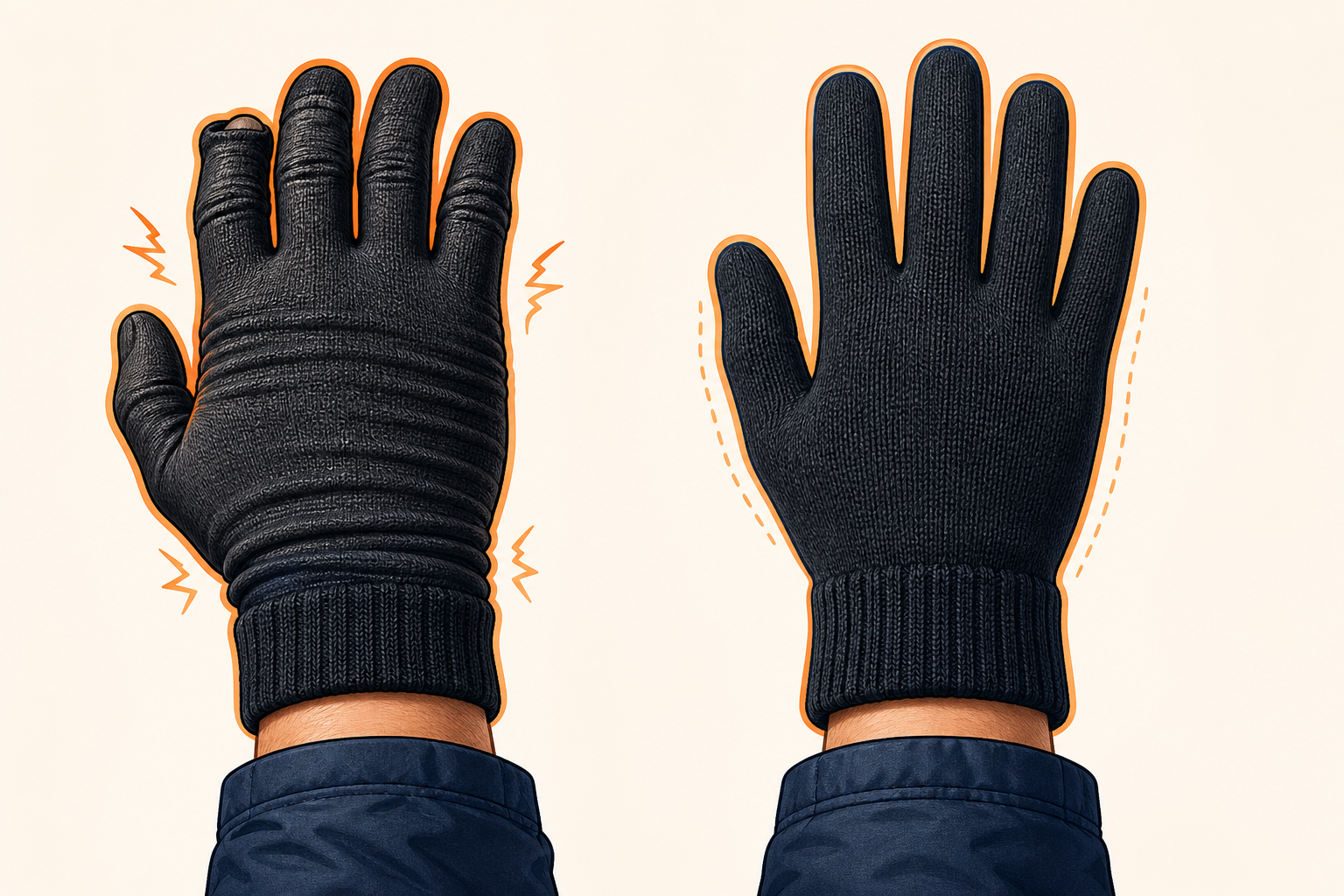
Yes. Tight gloves can flatten the loft that traps warm air, press at the fingertips, and make it harder to move your fingers. Very loose gloves create excess fabric and can reduce control; with touchscreen gloves, a loose fingertip may also fail to keep the conductive area in steady contact with your finger and screen.
A practical fit is close without squeezing. Your fingertips should reach near the ends without being pushed backward. You should be able to make a relaxed fist, spread your fingers, and grip a steering wheel or dog leash without painful pressure or heavy bunching.
If touch response is your main concern, use the fit checks in our guide to choosing touchscreen gloves that work in cold weather.
How does dampness make hands colder?
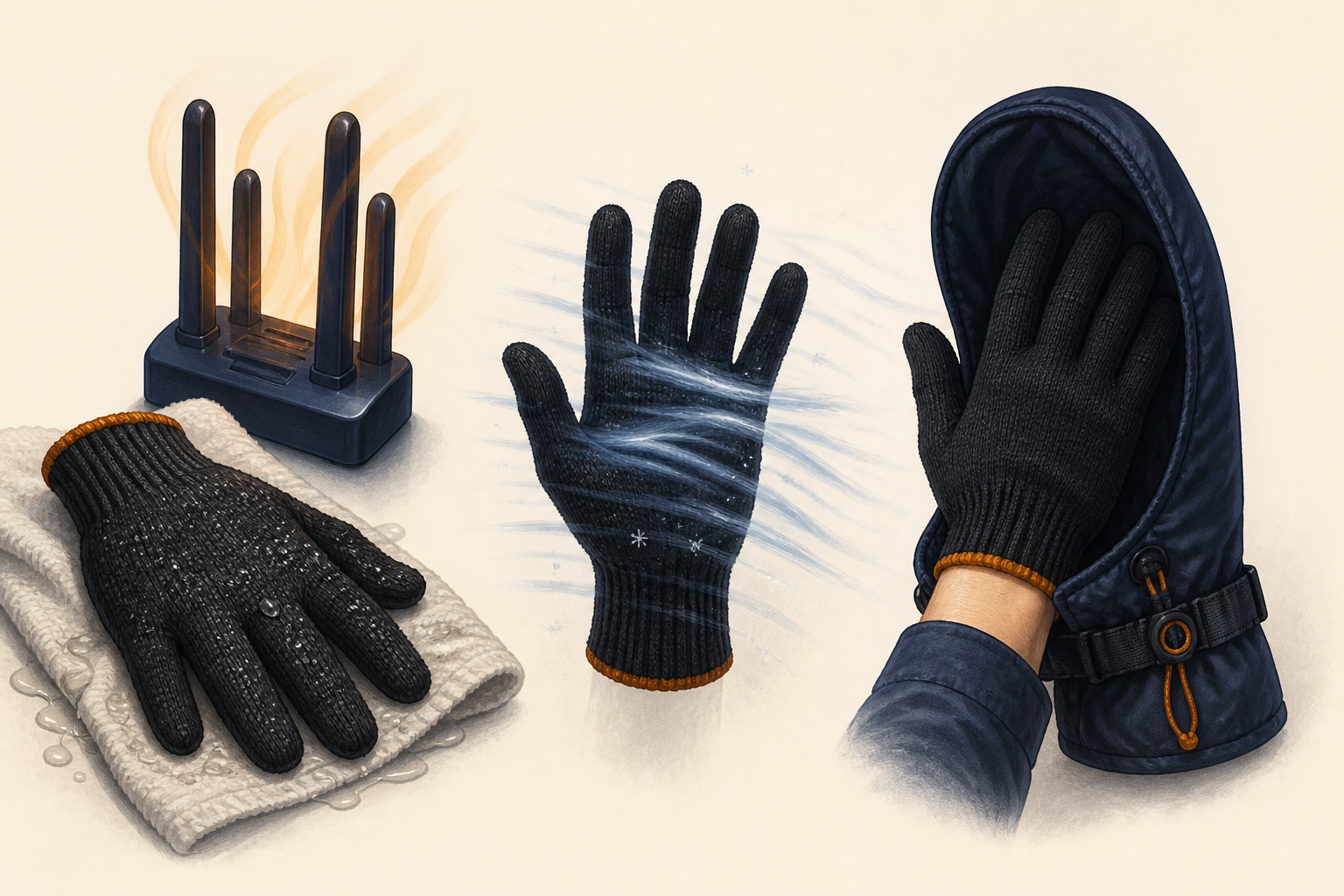
Moisture can come from outside or inside. Wet snow, rain, and slush can reach a glove that is not waterproof. Sweat can build up when a glove is too warm for brisk walking, shoveling, or another active task. In either case, the lining feels cooler and takes longer to recover once you slow down.
- Start each outing with completely dry gloves.
- If the lining feels clammy, change to a dry pair instead of adding another damp layer.
- After use, air-dry gloves fully according to the maker’s care instructions.
- For the CozyGalar wool-blend glove, hand wash cold and air dry; do not bleach or tumble dry.
For material tradeoffs in daily use, see our comparison of wool and synthetic winter gloves.
Does wind pass through knit gloves?
Often, yes. Knit fabric can be comfortable and flexible but it is not automatically windproof. Moving air pulls heat away faster, and the effect is especially noticeable during cycling, fast driving with cold surfaces, exposed walks, or long periods outdoors.
Do a simple, non-destructive check indoors: hold the glove near a cool fan while wearing it. If you quickly feel airflow across the back of your hand or between the fingers, wind exposure is likely part of the problem. For windy or wet conditions, choose a glove specifically documented as windproof or waterproof, or add a roomy protective shell. Do not assume a knit glove has those properties unless the manufacturer says so.
When are mittens warmer than gloves?
Mittens usually retain heat better because the fingers share one insulated space. MedlinePlus includes mittens or gloves in cold-weather protection and notes that mittens tend to be warmer. The tradeoff is dexterity: a mitten is less convenient for a phone, keys, a leash clip, or small controls.
Use a five-finger glove when you need control during short, active, everyday routines. Choose a mitten, insulated shell, or purpose-built extreme-cold glove when you will be stationary, exposed to strong wind, handling snow, or staying outside for a long time. A thin glove under a roomy mitten can provide a useful two-stage system, but only if the combination is not tight.
Does keeping the rest of your body warm help your hands?
Yes. Cold-weather clothing works as a system. NIAMS guidance for people with Raynaud’s specifically notes that it may not be enough to warm only the hands and feet; keeping the core, head, and other areas warm also matters. Even without a medical condition, a warmer torso, dry base layers, and a covered wrist gap can make hand protection work more effectively.
Before blaming the gloves, check your coat cuffs, hat, neck protection, socks, and activity level. If you are standing still, brief safe movement can help generate heat. Do not use numb hands as a signal to push through worsening cold.
When could cold hands be more than a glove problem?
Glove advice cannot diagnose a health condition. Speak with a qualified healthcare professional if cold fingers are persistent, unusually painful, one-sided, or accompanied by repeated numbness or clear color changes. NIAMS describes Raynaud’s phenomenon as episodes in which fingers or toes become cold and numb and may change color when small blood vessels narrow in response to cold or stress.
For possible frostbite or cold stress, follow official medical guidance rather than a shopping article. Get out of the cold and seek prompt care for hard or waxy skin, severe numbness, blistering, confusion, or symptoms that do not improve with safe rewarming.
What should you check before buying warmer gloves?
- Pattern: Are your hands cold immediately, after getting damp, only in wind, or only when standing still?
- Fit: Can you move freely without squeezed fingertips or excess fabric?
- Condition: Are the lining and cuffs completely dry?
- Protection: Do you need documented windproofing, waterproofing, or a mitten rather than more knit insulation?
- Use case: Are you prioritizing dexterity for driving and phone use, or maximum warmth for long exposure?
- Body signals: Are repeated numbness, pain, or color changes telling you to seek medical advice?
One original CozyGalar insight follows from these checks: the best touchscreen fit and the warmest extreme-cold fit are not always the same. Touchscreens benefit from close fingertip contact, while severe cold may call for more insulation or a mitten. The second insight is that activity changes the correct answer during the same day. A flexible glove can suit an active dog walk, while the same person may need a shell or mitten when sitting at a game or waiting outdoors.
Need a flexible everyday glove for cool-to-cold routines?
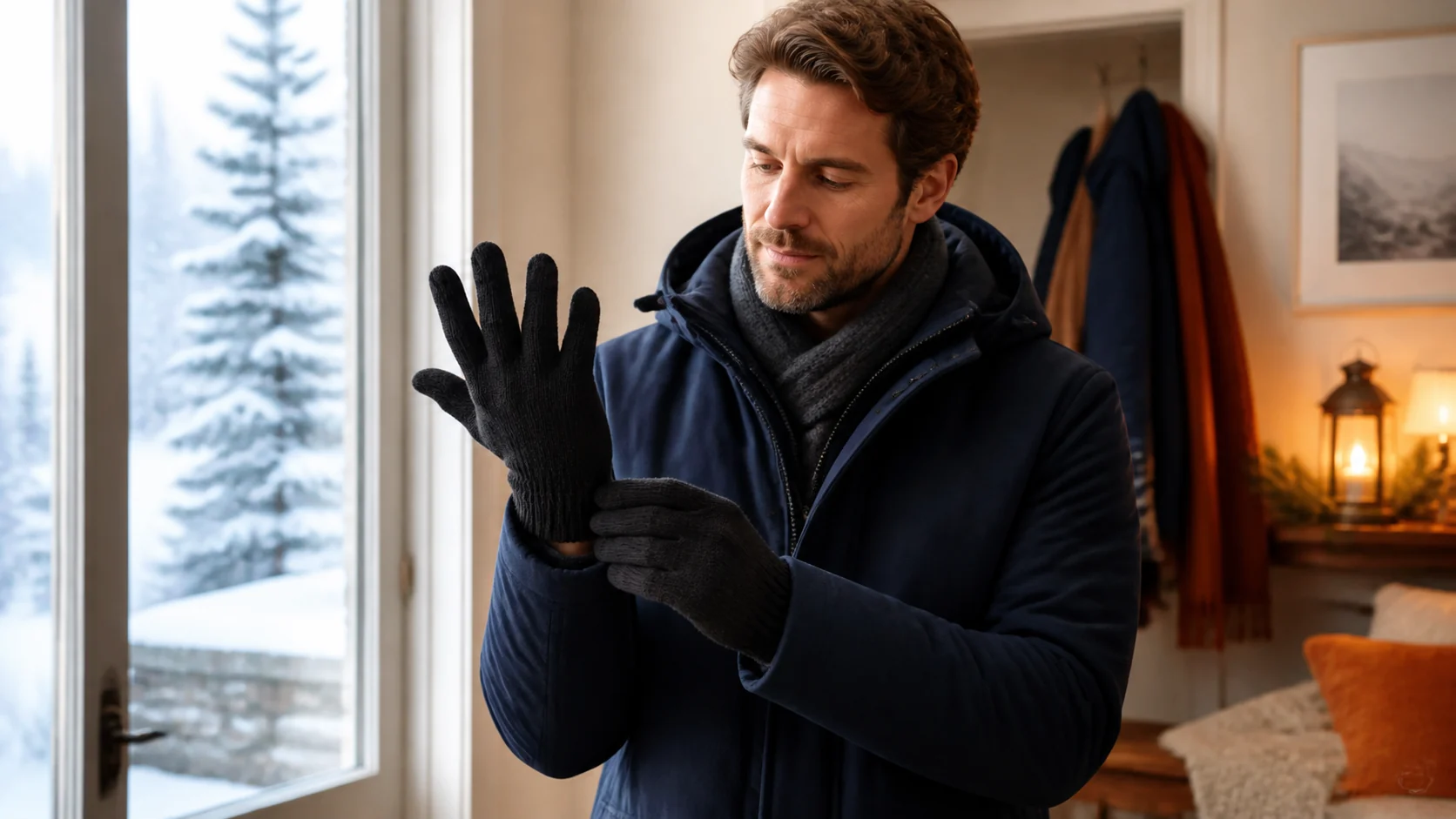
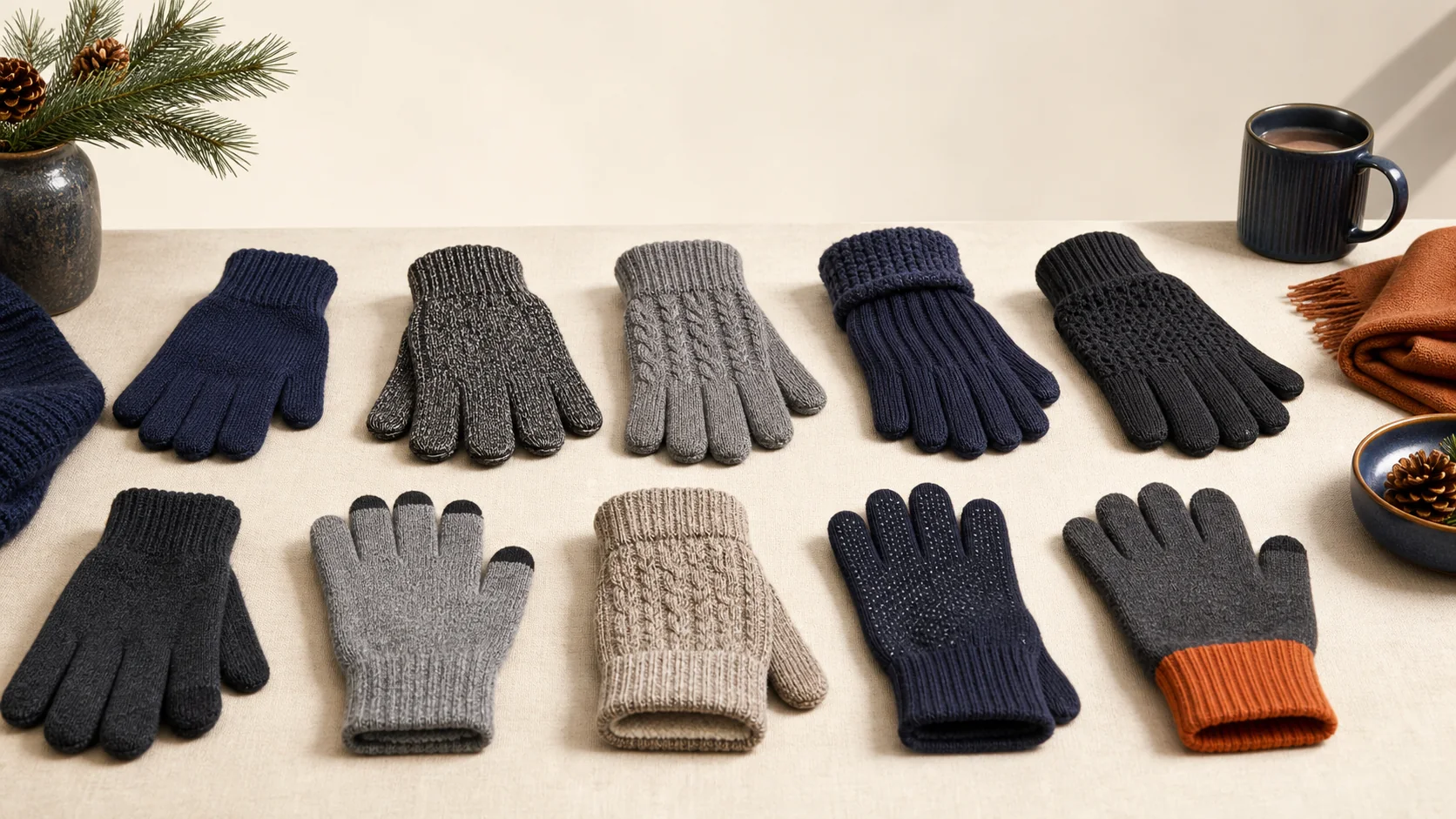
CozyGalar’s men’s wool-blend gloves use a fleece lining, conductive fingertips, and a textured grip for everyday tasks such as commuting, driving, and dog walking. They are not presented as waterproof, windproof, or an extreme-cold replacement for insulated mittens.
Shopping disclosure: CozyGalar sells the linked glove on Amazon. This is not an affiliate commission link. Price and availability may change.
Pingback: Are Heated Gloves Worth It? A Practical 2026 Guide
Pingback: Are Knit Gloves Waterproof? What to Know Before Rain or Snow - CozyGalar
Pingback: What Are the Best Gloves for Shoveling Snow? - CozyGalar