


Winter glove guide
Wool Gloves vs. Synthetic Gloves: Which Is Better for Everyday Winter Use?
A practical comparison of warmth, comfort, drying time, grip, and touchscreen performance for commuting, driving, and dog walking.
The short answer
For most everyday winter routines, the best choice is not necessarily pure wool or pure synthetic fabric. A well-designed wool-blend glove can combine the natural comfort of wool with the stretch, durability, and faster drying performance of modern fibers.
If your day includes driving, checking a phone, walking a dog, or waiting at a bus stop, look beyond the fabric label. Fit, lining, palm grip, and fingertip construction often affect real-world comfort more than a single material percentage.
Why people choose wool gloves
Wool gloves remain popular because wool fibers help manage temperature and moisture. Merino wool is especially valued for feeling softer against the skin than many traditional coarse wools. It can add warmth without making a knit glove feel excessively rigid.
Common strengths of wool
- Comfortable warmth for cool-to-cold daily conditions.
- Breathability that can help hands feel less clammy.
- A soft, natural hand feel when merino wool is used.
- Good temperature regulation during changing activity levels.
Pure wool, however, may stretch out, dry slowly, or wear faster at high-friction areas. That is why many practical winter gloves use a blend rather than 100% wool.
Why synthetic fibers are useful
Polyester, elastane, and conductive fibers solve different problems. Polyester can improve durability and drying speed. Elastane helps the glove recover its shape and fit more closely around the hand. Conductive fiber is used at the fingertips so compatible touchscreens can register contact.
A synthetic-heavy glove may be durable and affordable, but it can feel less breathable or less naturally soft. Construction quality and lining make a major difference.
Warmth: lining matters as much as fiber
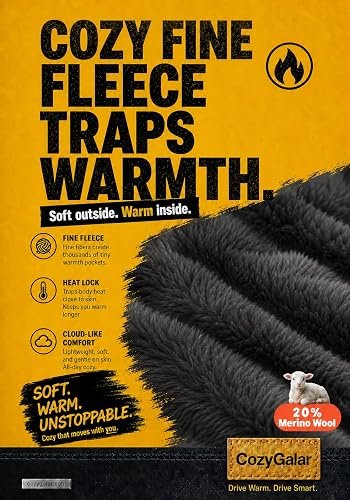
When comparing warm gloves, check the inside. A fleece-lined glove traps a layer of warm air next to the skin. A thin unlined wool glove may feel less warm than a blended glove with a substantial lining.
Also match the glove to the temperature and activity. CozyGalar fleece-lined wool-blend gloves are designed for everyday conditions around 30°F to 55°F. For extreme cold below 20°F, add hand warmers or use an insulated outer mitten.
Fit affects warmth and touchscreen response
A glove that is too tight can compress the lining and make fingers feel cold. A glove that is too loose may reduce touchscreen precision because the conductive fingertip does not stay in contact with your finger.
Measure around the widest part of your palm, then compare the result with the brand’s size chart. If you have long fingers or prefer space for layering, sizing up can be more comfortable.
What to look for before buying
- Fleece lining: for soft, immediate comfort.
- Conductive fingertips: for calls, texts, and navigation.
- Non-slip palm: for steering wheels, phones, and dog leashes.
- Reinforced stitching: around the thumb and index finger.
- Clear care instructions: hand washing and air drying help preserve shape.
Bottom line
Pure wool offers natural comfort, while synthetic fibers add strength, stretch, and technical performance. For commuting and daily errands, a wool-blend winter glove usually provides the most useful balance.
See the CozyGalar wool-blend gloves
Fleece-lined comfort, touchscreen fingertips, and non-slip grip in sizes S through XL.
Pingback: How to Wash Touchscreen Gloves Without Damage - CozyGalar
Pingback: Why Are My Hands Still Cold in Gloves? 6 Causes & Fixes - CozyGalar